- The Innovation AI
- Posts
- OpenAI to Launch Smart Speaker Designed by Former Apple Designer Jony Ive in 2027
OpenAI to Launch Smart Speaker Designed by Former Apple Designer Jony Ive in 2027
Plus: Google Is Exploring Ways to Use Its Financial Might to Take On Nvidia

Hafizur Rahman
February 21, 2026
In partnership with


Today's Newsletter Highlights:
OpenAI to Launch Smart Speaker Designed by Former Apple Designer Jony Ive in 2027
Google Is Exploring Ways to Use Its Financial Might to Take On Nvidia
How to Supercharge Your Sales Pipeline with AI
Best 5 free AI Tools
🎇AI NEWS TODAY🎇
Become An AI Expert In Just 5 Minutes

If you’re a decision maker at your company, you need to be on the bleeding edge of, well, everything. But before you go signing up for seminars, conferences, lunch ‘n learns, and all that jazz, just know there’s a far better (and simpler) way: Subscribing to The Deep View.
This daily newsletter condenses everything you need to know about the latest and greatest AI developments into a 5-minute read. Squeeze it into your morning coffee break and before you know it, you’ll be an expert too.
Subscribe right here. It’s totally free, wildly informative, and trusted by 600,000+ readers at Google, Meta, Microsoft, and beyond.
OpenAI to Launch Smart Speaker Designed by Former Apple Designer Jony Ive in 2027

OpenAI, the maker of ChatGPT, is reportedly entering the consumer hardware market. Its first device will be an AI-powered smart speaker, expected to launch in early 2027.
This smart speaker is designed with Jony Ive, the former chief design officer at Apple. He has a history of leading the design of many iconic products.
The speaker aims to be more than a voice assistant. It will feature an integrated camera and advanced AI capabilities.
📸 Key Features Reported
According to several reports:
The speaker will have a built-in camera. This adds better context and awareness, not just audio input.
It might support facial recognition like Apple’s Face ID. This would help it personalise responses or authorise purchases.
AI integration can help the device suggest ideas based on your habits and environment.
Pricing & Timeline
The device is expected to be priced around $200–$300 USD.
The earliest launch window is early 2027, possibly in February or March.
Keep pace with your calendar

Dictate investor updates, board notes, and daily rundowns and get final-draft writing you can paste immediately. Wispr Flow preserves nuance and uses voice snippets for repeatable founder comms. Try Wispr Flow for founders.
Google Is Exploring Ways to Use Its Financial Might to Take On Nvidia
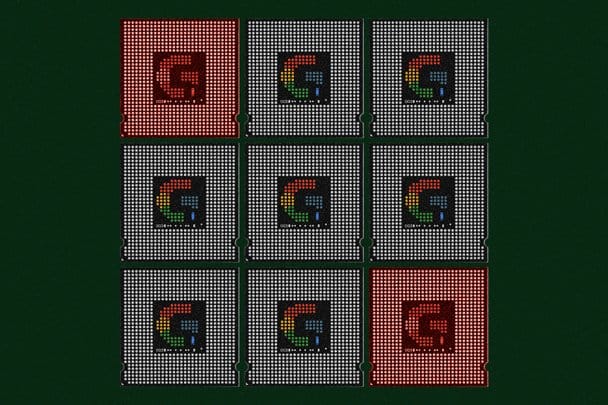
Google is looking for ways to use its large financial resources to boost demand for its in-house AI chips. The aim is to challenge Nvidia’s strong market position.
Nvidia currently dominates the AI acceleration market with its GPUs. Google believes its custom chips, known as Tensor Processing Units (TPUs), will draw in more customers. They believe this will happen if TPUs are easier to get and better funded.
Key Points :
Expansion Strategy Beyond Internal Use
In the past, Google mainly used its TPUs within its own cloud infrastructure. Now, it wants to expand its use by partnering with third-party companies. It will offer financial incentives for these companies to adopt TPUs.
For instance, Google is in talks to invest about $100 million in a cloud startup called Fluidstack. This aims to increase access and TPU adoption among a wider range of customers and workloads.
Why This Matters to Nvidia
If TPUs reach more users, this could slowly weaken Nvidia’s grip on the AI chip market. Large AI firms might start using alternative silicon.
Google’s funding might push other data centres or cloud providers to pick TPUs instead of Nvidia’s GPUs.
Challenges Google Still Faces
Amazon and Microsoft are still unsure about using Google’s chips. This is true, even with these efforts. They see Google as a competitor in cloud services.
Manufacturing poses another challenge. Google relies on contract chip makers like Taiwan Semiconductor Manufacturing Company (TSMC). TSMC prioritises Nvidia’s orders because of high demand.
How to Supercharge Your Sales Pipeline with AI:
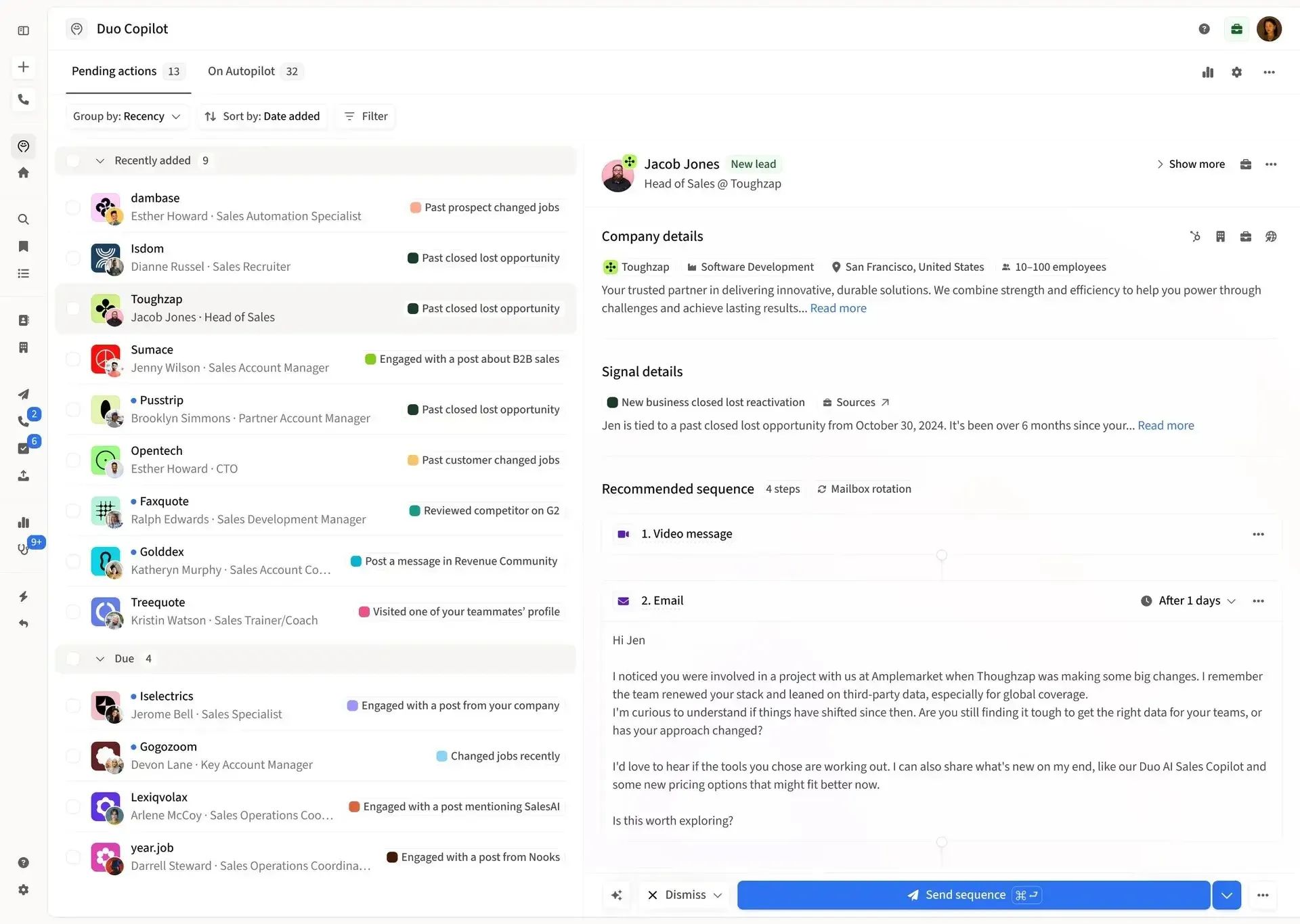
Managing lead generation, outreach, and follow-ups often means switching between multiple tools.
Amplemarket brings these tasks into one AI-powered platform, helping you work more efficiently.
How it works:
Sign up and connect your accounts: Start by creating an Amplemarket account and connecting your email, LinkedIn, and CRM platforms.
Generate leads automatically: Use Amplemarket’s AI to find high-potential prospects based on job role, company, and engagement signals.
Set up outreach campaigns: Create personalized email and LinkedIn sequences. Amplemarket automates sending and tracking for you.
Use Duo AI Copilot: Get daily suggestions for prospects, personalized messaging, and follow-up reminders to save time.
Monitor and improve results: Check performance metrics like open rates, replies, and clicks. Optimize campaigns directly from the dashboard.
By following these steps, you can reduce manual work, stay organized, and efficiently reach more prospects.
🎇 TOP NEW AI TOOLS 🎇
Free AI Tools You Shouldn’t Miss
🎇 Gemini 3.1 Pro - A smarter model for your most complex tasks.
🎇 Architect by Lyzr - Build AI that works for you.
🎇 Google Pomelli 2.0 - Turn simple product photos into pro studio imagery instantly.
🎇 Your AI Clone - Your clone remembers people you've never met.
🎇 Sonnet 4.6 - The most capable Sonnet model yet.
Move us from the 'Promotions' to your 'Primary Inbox' and get AI news, tips, and tutorials delivered straight to you. Don't miss your chance to stay on top of the AI industry's latest buzz!